


A Big Year for Production Gear - and a Shift in Direction
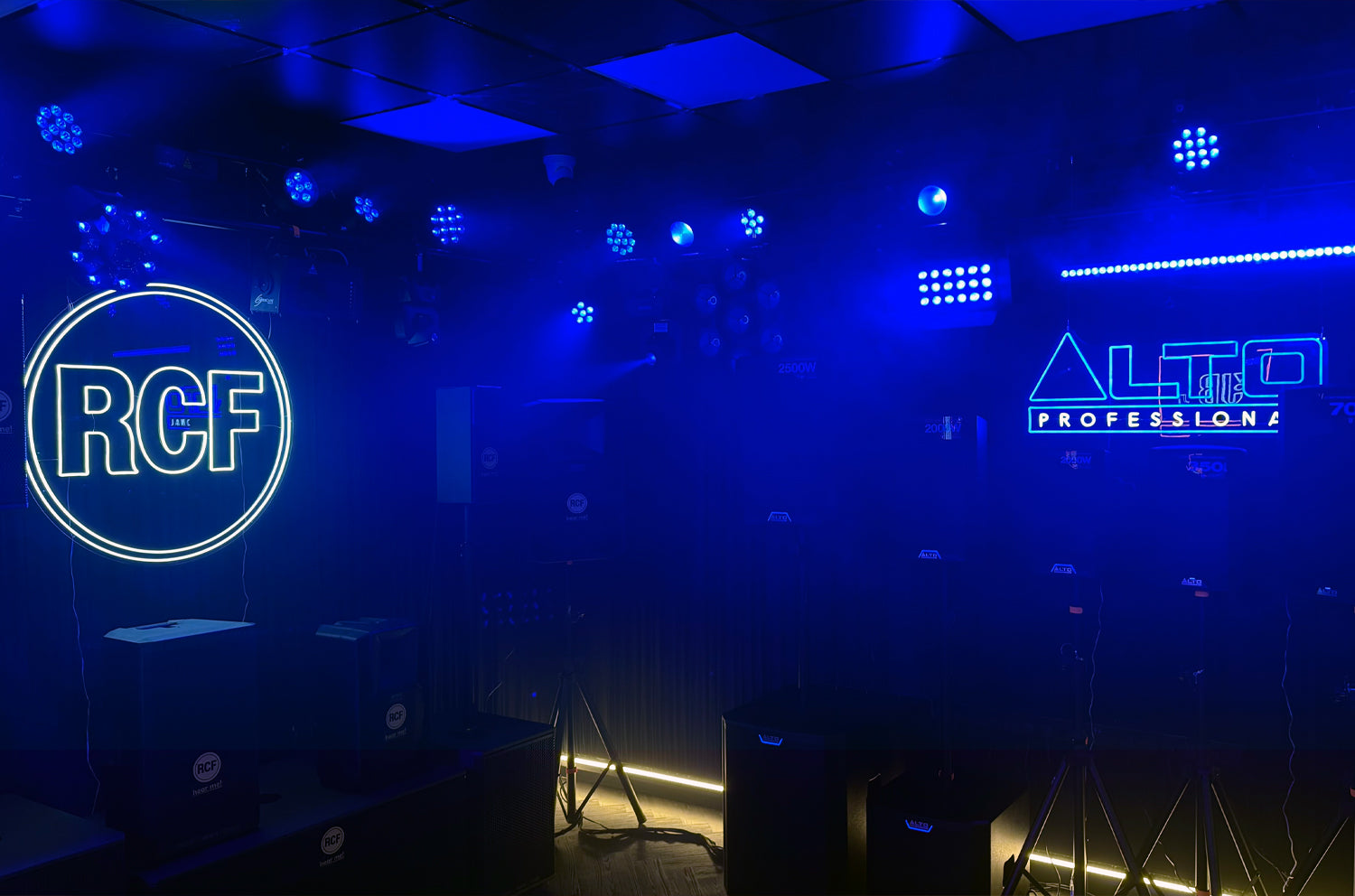
2025 wasn’t just a busy year for electronic music production gear - it was a revealing one. So many meaningful releases landed that we filled our newly opened Labs space in NW2 with ease.
What stood out most wasn’t sheer volume, but a clear shift in focus: portability, immediacy and tools that encourage creativity over complexity. New manufacturers competed for attention alongside established names, but as the year drew to a close, Akai, Roland and Teenage Engineering clearly set the pace.
AlphaTheta: Accessibility Done Properly
AlphaTheta made an early statement with the Toraiz-branded ChordCat. Battery-powered, portable and refreshingly approachable, it manages something surprisingly rare: lowering the barrier to entry without dumbing anything down. Its theory-led workflow allows complete beginners to create genuinely musical ideas, while more experienced producers can use it as a fast, reliable sketchpad.

While it doesn’t quite replace the heart of a fully dawless setup - track count being the obvious limitation - that feels like a conscious design choice rather than a shortcoming. Used alongside software or external hardware, the ChordCat becomes exactly what it should be: a creative catalyst you can take anywhere.
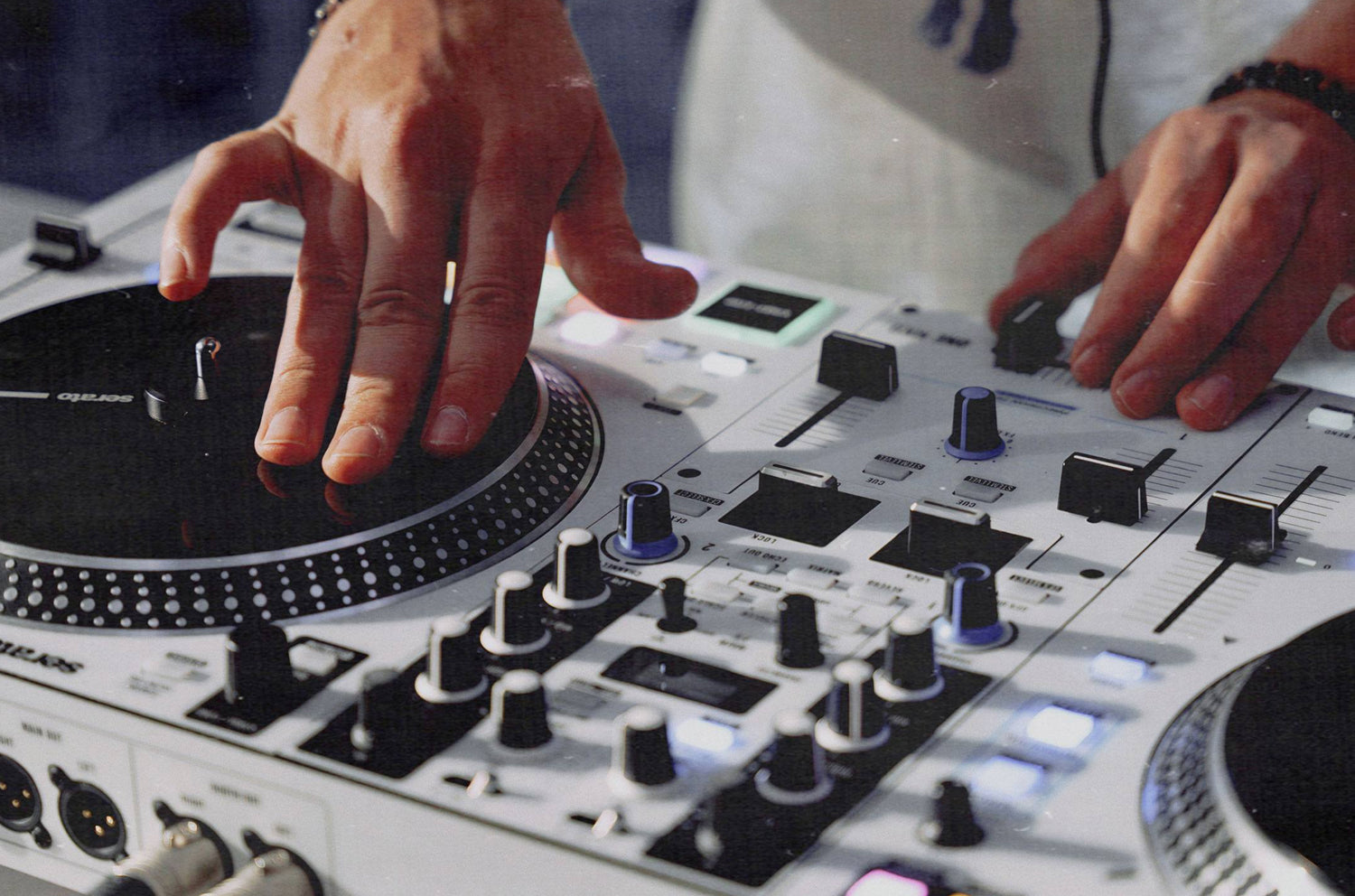
The December release of the SLAB for Serato felt equally deliberate. This level of integration doesn’t happen by accident, and it’s hard not to see it as the result of long-term planning. Supporting Serato DJ, Serato Studio and Serato Sample, SLAB finally gives producers and DJs a piece of hardware that unlocks the depth of the software. A dedicated controller for Serato Sample, in particular, feels long overdue - and very welcome.

Real Solutions for Producers on the Move
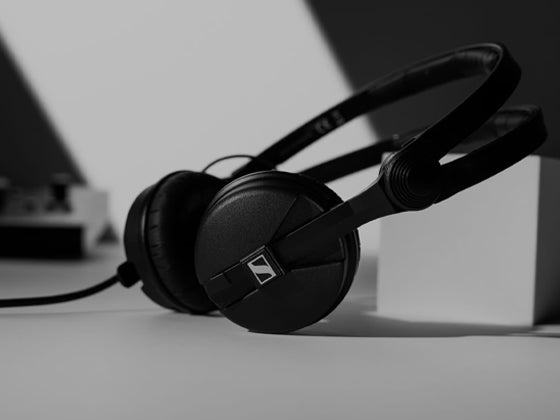
IK Multimedia arrived at weDJ with tools that solve real problems rather than chase trends. ARC On-Ear delivers a consistent monitoring environment in headphones - something producers on the road have been asking for, quietly, for years. The response from touring DJs has been immediate, especially from those making edits and tweaks between flights, hotels and soundchecks.

Re-Sing, IK’s AI-powered vocal engine, is another example of technology being used thoughtfully. When fed with strong source material, it opens up creative possibilities without replacing human decision-making. We’ve tested it with studio acapellas and the results are impressive - not gimmicky, but genuinely useful.
Honouring Legacy Without Standing Still
Focusrite’s 40th anniversary Scarlett 2i2 Gen 4 release struck the right balance between celebration and relevance. The limited-edition design looks great, but more importantly, the platform remains one of the most reliable entry points into high-quality recording.
Arturia continued to quietly refine the mobile production workflow. The Minifuse 2 OTG feels purpose-built for modern creators, while the Astrolab 37 pushes the idea of a powerful workstation that doesn’t need to live permanently in a studio. These aren’t headline-grabbing releases - they’re tools that earn their place through daily use.
Akai & Roland: Two Different Futures, Both Compelling
Akai Professional made one of the boldest moves of the year with the MPC Live III. The shift to an ARM-based platform feels foundational rather than incremental. The new MPCe pads expand expressive play dramatically, while the updated sequencing and sampling workflow reinforce why the MPC remains central to so many producers’ setups.

More importantly, this feels like a glimpse into a shared future across the inMusic ecosystem. If this technology trickles into Rane, Denon DJ and Numark products, 2025 may be remembered as the turning point.
Roland took a very different approach, looking firmly to the past with the TR-1000 - and it works. Combining the 808 and 909 analog engines, alongside ACB modelling and sampling, this feels like a respectful evolution rather than nostalgia for nostalgia’s sake. It may not be cheap, but compared to sourcing vintage originals, it offers something arguably more valuable: reliability, flexibility and a workflow designed for modern production.

Teenage Engineering: Culture First, Specs Second
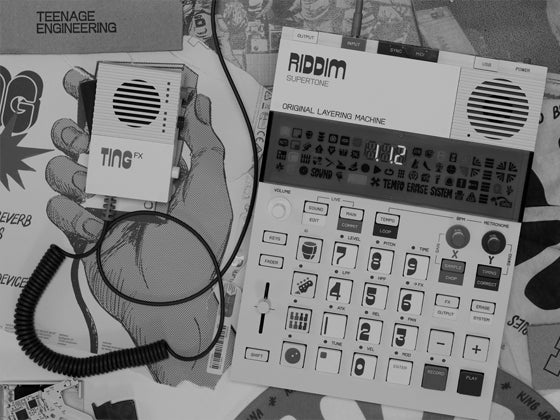
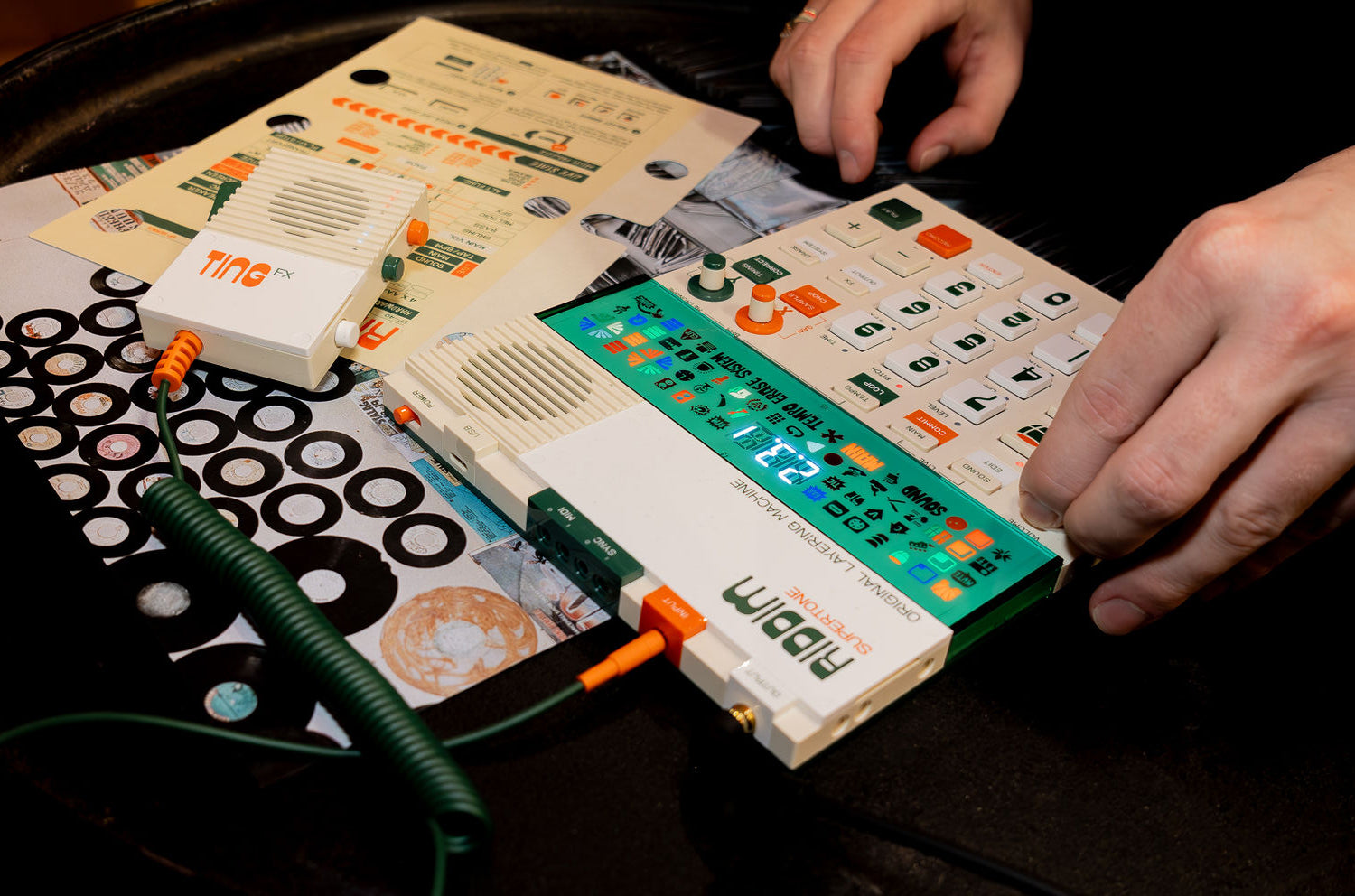
Teenage Engineering continued to do what they do best: build products that reflect culture, not just capability. The expansion of the EP-series with the EP-40 and EP-2350 doubles down on reggae and dub, genres whose influence runs deep through UK underground music.
For producers creating jungle, UK garage, dubstep, grime or drum & bass, these aren’t novelty machines - they’re deeply relevant creative tools. Hosting the secret soundclash using the RIDDIM N TING at weDJ made that clear. Watching complete beginners create convincing, musical ideas in minutes is a strong reminder that great tools don’t need complicated workflows.

Looking Ahead: Labs, Focus & 2026
As we move into 2026, Westend DJ’s Labs project will continue to grow with intention rather than excess. New brands including 1010 Music, HEDD Audio and LEWITT are joining the portfolio not because they’re new, but because they offer something meaningful.
If 2025 showed us anything, it’s that electronic music production is moving away from feature overload and back towards instruments that invite play, experimentation and progress. That’s the direction we’re excited to support - and the one we’ll continue to build Labs around in the year ahead.